
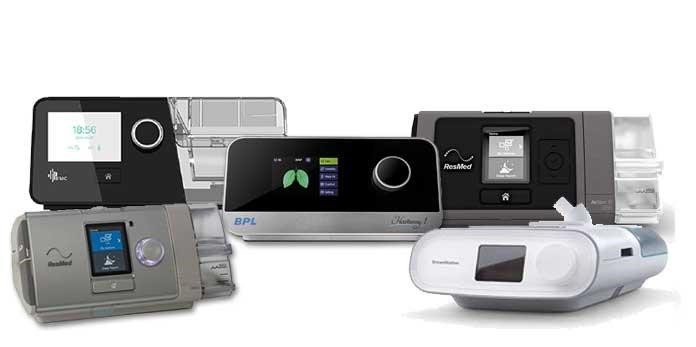
Exploring Auto BiPAP and ST BiPAP: Functions and Distinctions
Learn Key difference between Auto BiPAP (Auto-titrating Bi-level Positive Airway Pressure) and ST BiPAP (Spontaneous Time Bi-level Positive Airway Pressure)
Learn Key difference between Auto BiPAP (Auto-titrating Bi-level Positive Airway Pressure) and ST BiPAP (Spontaneous Time Bi-level Positive Airway Pressure)
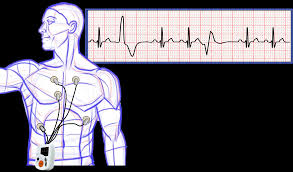
The Holter monitor is used in the diagnosis and monitoring of various heart-related conditions. It provides continuous data on a patient’s heart rate and rhythm, offering insights that intermittent monitoring cannot provide.
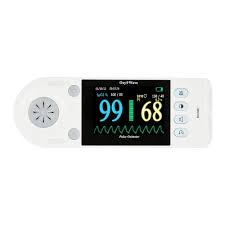
Table Top Pulse Oximeter Buying Guide: Tabletop pulse oximeters are designed for use in clinical and hospital settings, as well as in some home healthcare
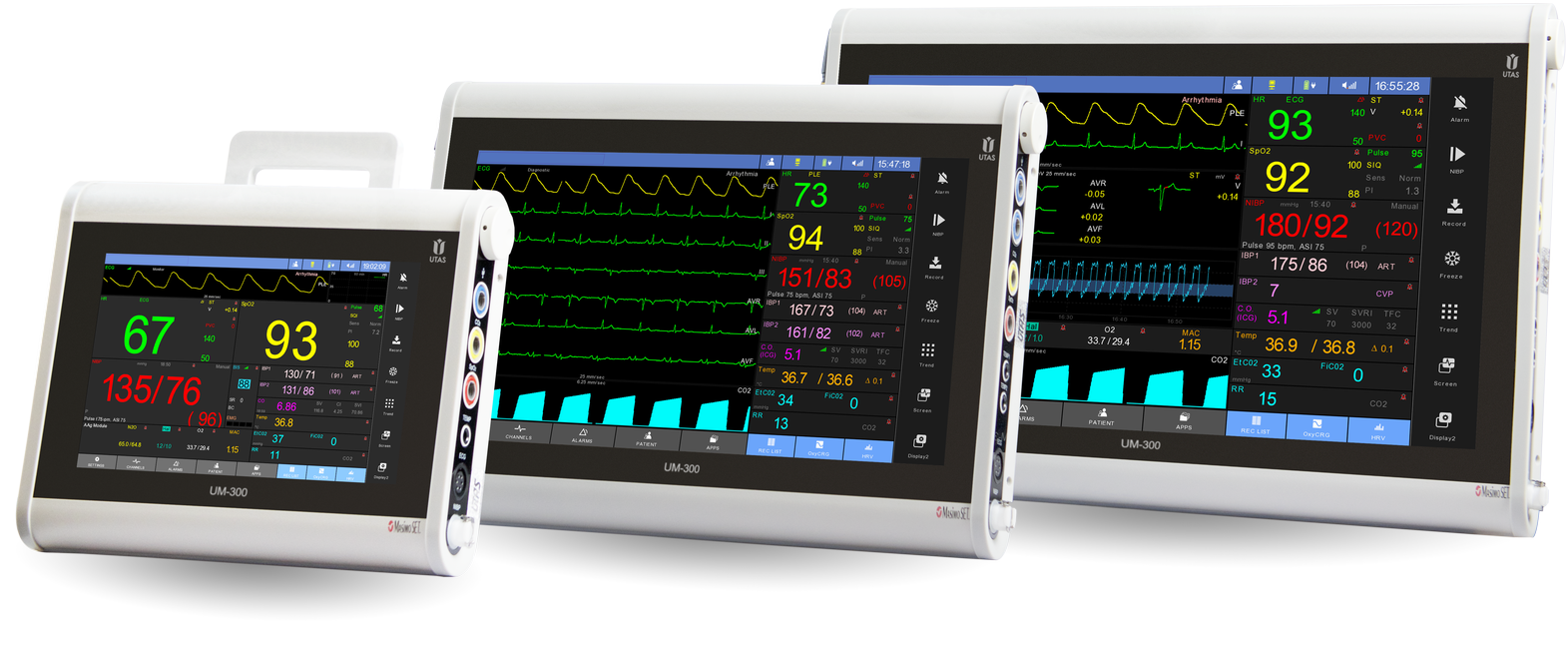
In this blog, we’ll explore the world of patient monitors, their types, applications, and their significant role in modern healthcare.
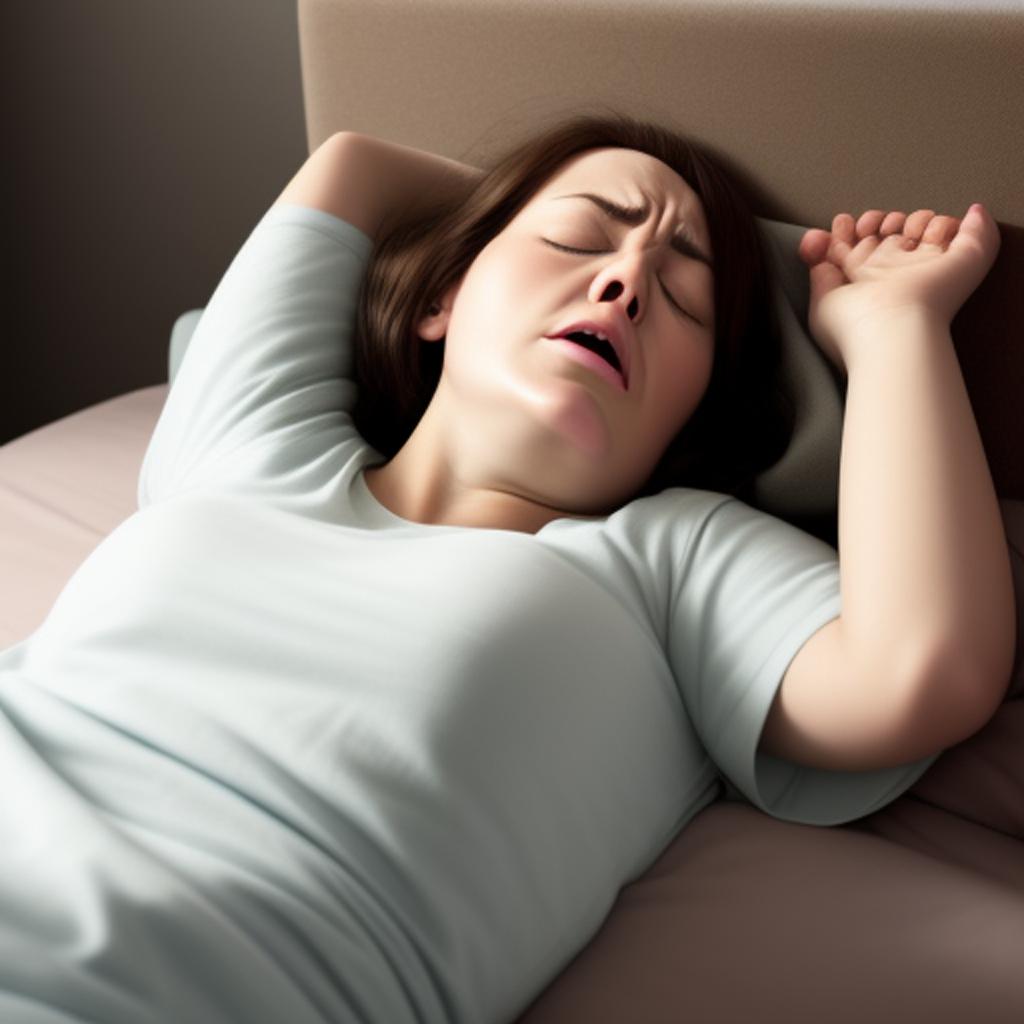
Snoring is a common occurrence, but in some cases, snoring is closely related to a potentially sleep disorder known as sleep apnea. Know more!
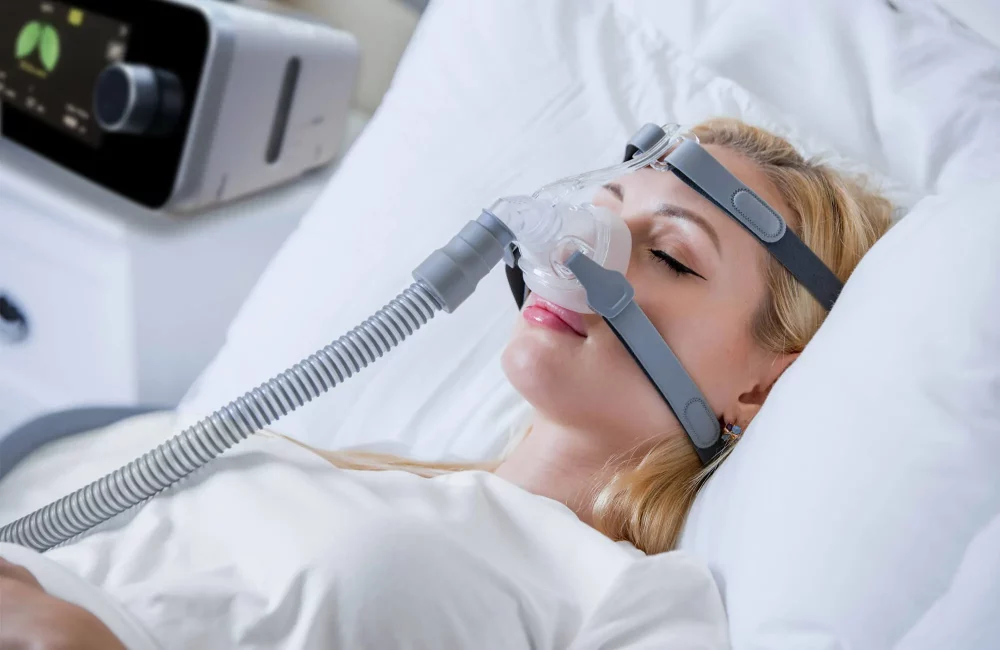
Continuous Positive Airway Pressure (CPAP) therapy is a common and effective treatment for obstructive sleep apnea, a condition that affects millions of people worldwide. However, one of the common challenges CPAP users face is mask leakages, which can lead to discomfort and reduced therapy effectiveness. In this blog, we’ll explore various tips and tricks to help you prevent leakages in your CPAP mask and enjoy a more restful night’s sleep.
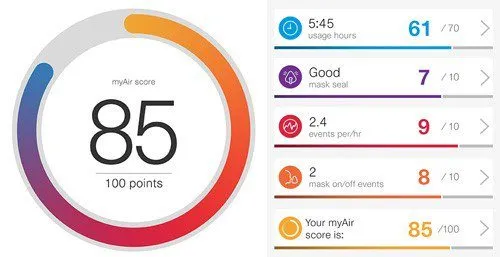
Most of the modern CPAP equipments comes with mobile applications which enables the users to see basic report parameters on the mobile app iteslef however there might be a need for a details PDF report specially when you are going for a follow-up with a sleep expert. This is the most common questions that we receive at respbuy on how to generate the reports from the memory card supplied with device.
Explore Best CPAP Devices In 2023 Continuous Positive Airway Pressure (CPAP) machines are used to treat sleep apnea by providing a steady flow of air
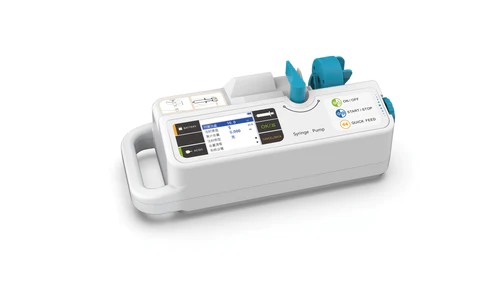
What are Volumetric Infusion pump? A volumetric infusion pump, also known as an IV pump or infusion pump, is a device used to deliver fluids,
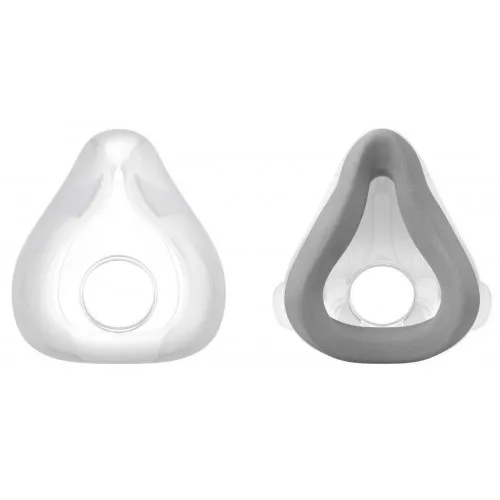
The Resmed Airfit F20 and Airtouch F20 are both popular full-face masks designed to help individuals with sleep apnea get a better night’s rest. While they share similar names and aesthetics, there are a few key differences between the two masks.
The Airfit F20 features a silicone cushion that can be cleaned and reused over time, while the Airtouch F20 features a memory foam cushion that offers a more personalized, comfortable fit. The Airtouch F20 may be a better choice for individuals who experience irritation or discomfort with silicone cushions.
Additionally, the Airfit F20 has magnetic clips that make it easier to put on and take off, while the Airtouch F20 uses traditional clips. Both masks offer excellent seal and comfort, so it ultimately comes down to personal preference and which features are most important to the individual.