


Why most people choose the wrong CPAP mask
If you’ve ever Googled “CPAP mask” and felt completely overwhelmed — you’re not alone. Most people assume any mask will do the job. But here’s the truth: the wrong mask can cause leaks, skin marks, poor sleep, and eventually make you give up on therapy altogether.
ResMed CPAP mask types — the world’s leading CPAP brand — makes 3 distinct types of masks, each designed for a completely different kind of sleeper.
In this guide, we’ll break down each mask type, compare them side by side, and help you figure out exactly which one is built for you.
Studies show that mask discomfort is the #1 reason people quit CPAP therapy within the first 3 months. Choosing correctly from day one changes everything.
ResMed CPAP mask types explained
ResMed’s mask falls into three categories. Each solves a different problem — picking the right category is the most important decision you’ll make.
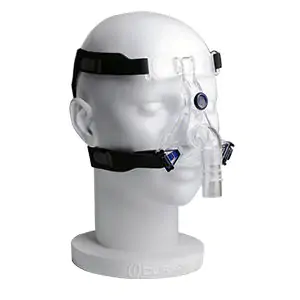
Full Face Mask
What it is
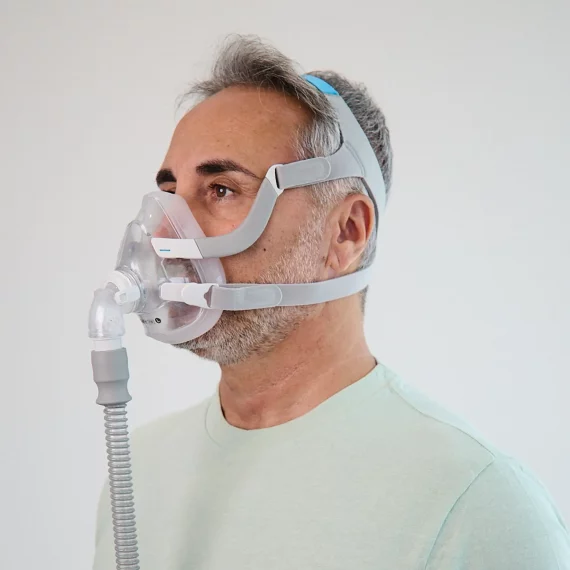
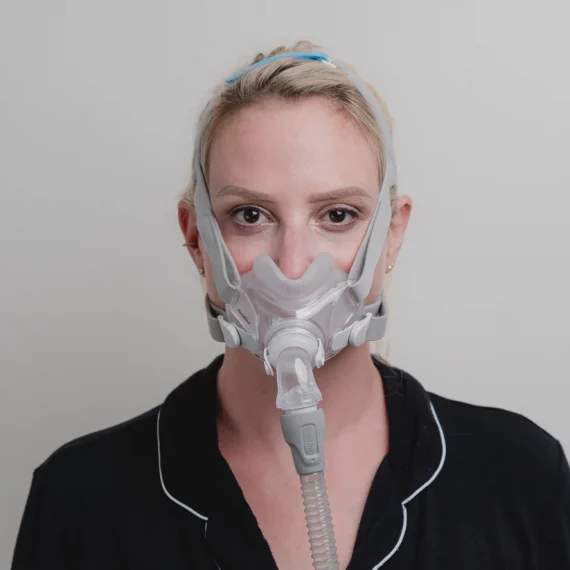
Covers both nose and mouth — sealed therapy regardless of how you breathe. Go-to for mouth breathers.
- Mouth breathers — best choice
- Chronic nasal congestion
- Very high pressure (>12 cmH₂O)
- May feel confining — try F30 first
Nasal Mask
What it is
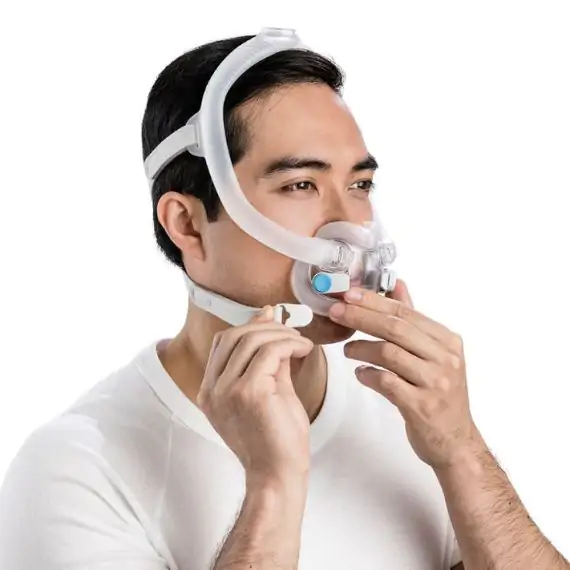
Forms a seal over or under your nose — not your mouth. The most popular starting point for new CPAP users.
- Nose breathers only
- Medium to high pressure
- Needs stable, secure seal
- First-time CPAP users
- ❌ Mouth breathers
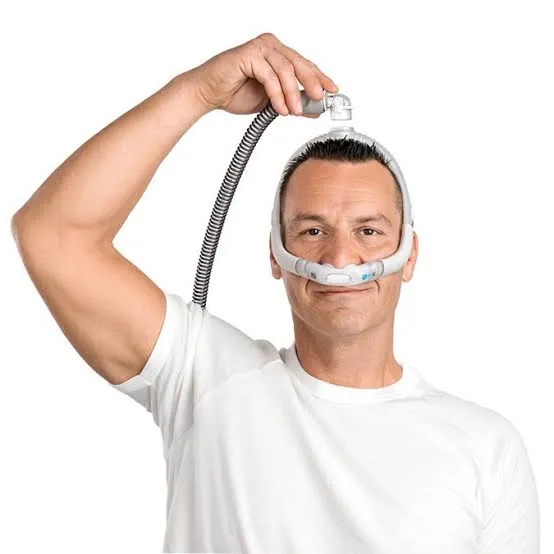
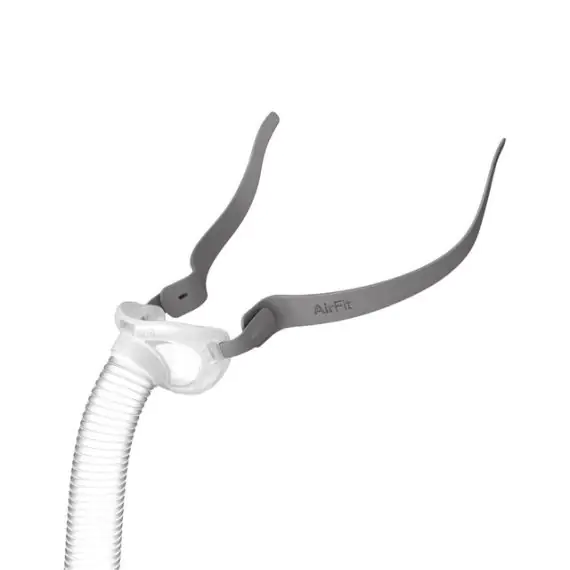
Nasal Pillow Mask
What it is
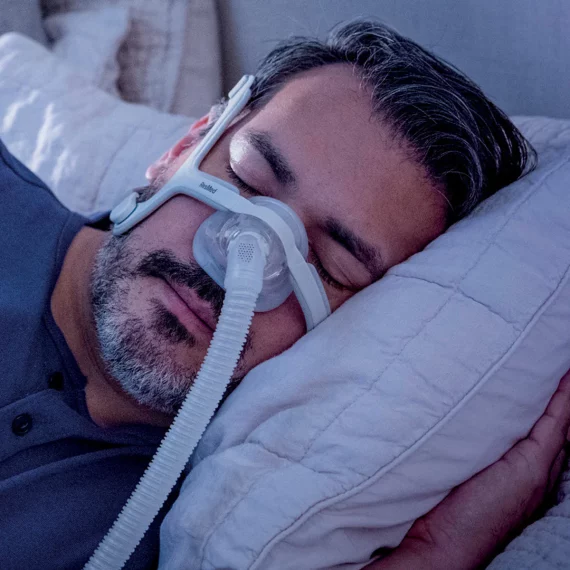
Two small soft cushions insert gently into your nostrils and deliver air directly — no nose covering .
- Claustrophobic users
- Side sleepers & active movers
- Glasses / reading before bed
- Low–medium pressure (<12 cmH₂O)
- ❌ Mouth breathers (not ideal)
ResMed mask comparison table
Here’s a quick breakdown across the most important factors to help you decide:
| Feature | Full Face Mask | Nasal Mask | Nasal Pillows | |
|---|---|---|---|---|
| Contact area | Nose & mouth | Nose | Nostrils only | |
| Pressure range | Medium – Very High | Medium to high | Low – Medium | |
| Mouth breathers | ✓ Best choice | ✕ Not ideal | ✕ Not ideal | |
| Claustrophobia | ! May feel confined | ✓ Good | ✓ Best | |
| Facial hair | ! May affect | ! May affect | ✓ Compatible | |
| Noise level | Medium | Low – Medium | Low | |
| Weight | Heavier | Light | Lightest | |
| Best for | Mouth breathers | Nose breathers | Side sleepers | |
"No one-size-fits-all — but there is one perfect mask for you."
The most common mistake new users make is buying the most popular mask instead of the right mask. ResMed’s Mask exists precisely because every face, every pressure setting, and every sleep style is different.
Comfort = Compliance. The mask you actually wear every night is the best mask — regardless of what anyone else recommends.
Frequently Asked Questions
N20 sits over the nose — classic fit, stronger seal. N30i sits under the nose with a top-of-head tube — lighter feel, less contact. Active sleeper? N30i. Want maximum seal? N20.
Same nasal pillow technology, one key difference — the tube. P10 has a front-facing tube, P30i has a top-of-head tube. If you’re a side sleeper or move a lot at night, go with P30i. If you sleep still and want the lightest option, P10 is perfect.
Stop waking up exhausted.
You now know exactly which ResMed mask fits your sleep style. Every night without the right mask is a night of broken, ineffective therapy. Order today and feel the difference from night one.

Still confused? Our sleep experts are here to help you choose the right mask.
